
Liam Nguyen
Saint Lucia,QLD
Summary
I am a third-year Bachelor of Science student majoring in Genetics and Bioinformatics at The University of Queensland, with a strong interest in research and its application to human health.
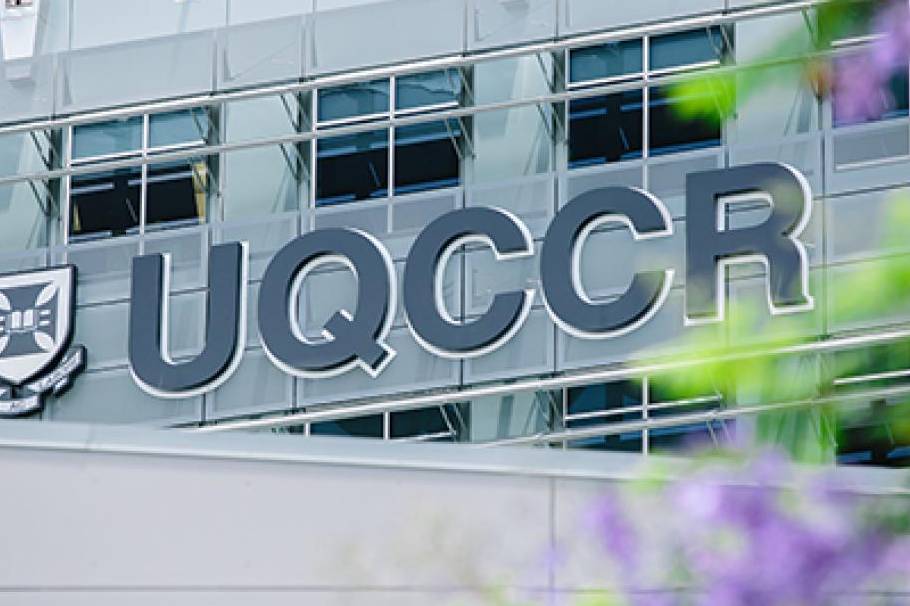
During the summer after my first year, I worked as a volunteer researcher at UQCCR on a project involving genome sequencing and characterisation of a parasitic worm, where I gained hands-on experience in genomic data analysis. I later completed a winter research project on OXA-181, a clinically important antibiotic resistance gene, where I analysed associated plasmids, investigated co-occurring resistance genes, and contributed to research on their global distribution.
More recently, I undertook a summer research project focused on the genomic analysis of siderophore systems in E. coli, working with large-scale datasets to explore gene distribution and variation.
Through these experiences, I have developed strong analytical skills, the ability to work both independently and collaboratively, and confidence in interpreting and communicating research findings. I am particularly interested in gaining further experience in research methodology and contributing to projects that explore the relationship between genetics, environment, and health.
Overview
2
2
year of professional experience
Work History
Summer Researcher
UQCCR
Brisbane, QLD
01.2026 - 02.2026
Worked on a genomics research project analysing iron-acquisition genes (siderophores) in E. coli, contributing to understanding their distribution across genomes.
Identified patterns in siderophore gene presence across large genomic datasets
Showed differences in how these genes are distributed between plasmids and chromosomes
Produced clear data visualisations to communicate key findings
Contributed to ongoing research by supporting data analysis and interpretation
Gained experience working with large datasets and HPC systems
Winter Researcher
UQCCR
Brisbane, QLD
07.2025 - 08.2025
• Analysed whole-genome sequencing data from clinical isolates carrying OXA-181
• Processed and curated raw sequencing data, identified resistance genes, and explored the genetic context of OXA-181-positive plasmids
• Experienced with Python, Bash, R, and C++ for genomic data analysis
• Applied machine learning techniques to identify genomic features linked to resistance and assist in classifying resistant isolates
Volunteer Researcher
UQCCR
Brisbane, QLD
01.2025 - 02.2025
• Analysed genomic and transcriptomic data from Haycocknema perplexum to support clinical research into this rare parasitic infection
• Performed data preprocessing, quality control, and visualisation of large sequencing datasets related to H. perplexum
• Gained hands-on experience in aligning sequencing reads and interpreting their biological relevance in the context of parasitic disease
Education
Bachelor of Science - Genetics And Bioinformatics
The University of Queensland
Saint Lucia, QLD11-2026
Skills
- Genomic analysis, including plasmid and AMR gene profiling
- Read quality control and genome assembly evaluation
- Bioinformatic programming (Bash, Python, R) for data analysis
- Statistical modelling and interpretation
- Reproducible research workflows and data management
- Scientific communication and data visualisation
- Project management, teamwork, and problem solving
Languages
English
Bilingual or Proficient (C2)
Chinese
Limited Working
Vietnamese
Bilingual or Proficient (C2)
Japanese
Bilingual or Proficient (C2)
Extracurricular activities
- Executive Member, UQ Association of Biomedical Students (UQABS), Brisbane
- Science Leader 2025, Faculty of Science, The University of Queensland
- UQ Biotech Mentor, Biotech Mentorship Program, Faculty of Chemistry and Molecular Biosciences, UQ
- Get Set Mentor, Faculty of Chemistry and Molecular Biosciences, UQ
- O-Week Volunteer 2024, The University of Queensland
Certification
Dean’s Commendation for Academic Excellence
Semester 2, 2025
Faculty of Science
The University of Queensland
Timeline
Summer Researcher
UQCCR
01.2026 - 02.2026
Winter Researcher
UQCCR
07.2025 - 08.2025
Volunteer Researcher
UQCCR
01.2025 - 02.2025
Bachelor of Science - Genetics And Bioinformatics
The University of Queensland